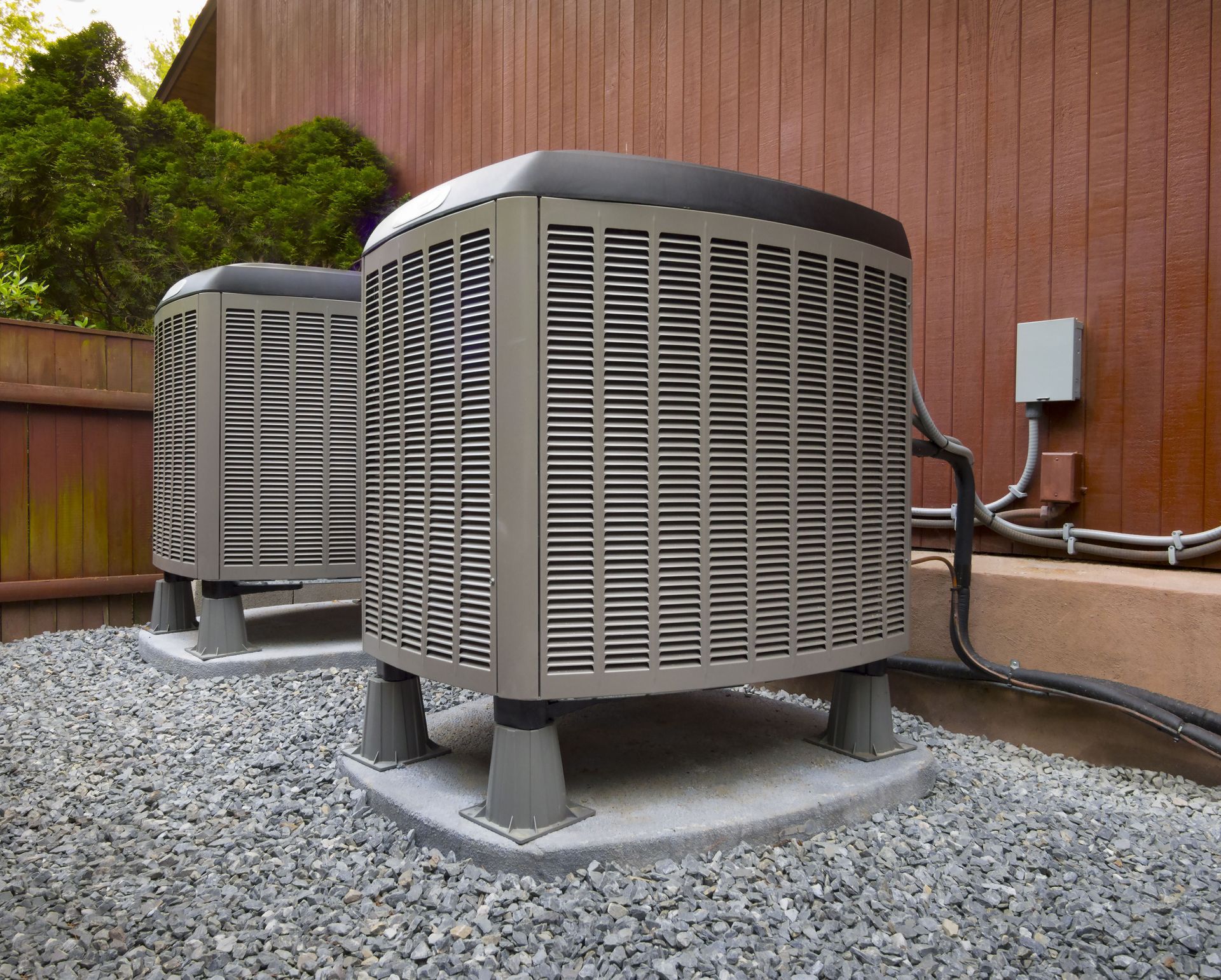
By working closely with reliable HVAC suppliers, contracting businesses can maintain stock levels without overextending their available operating capital.
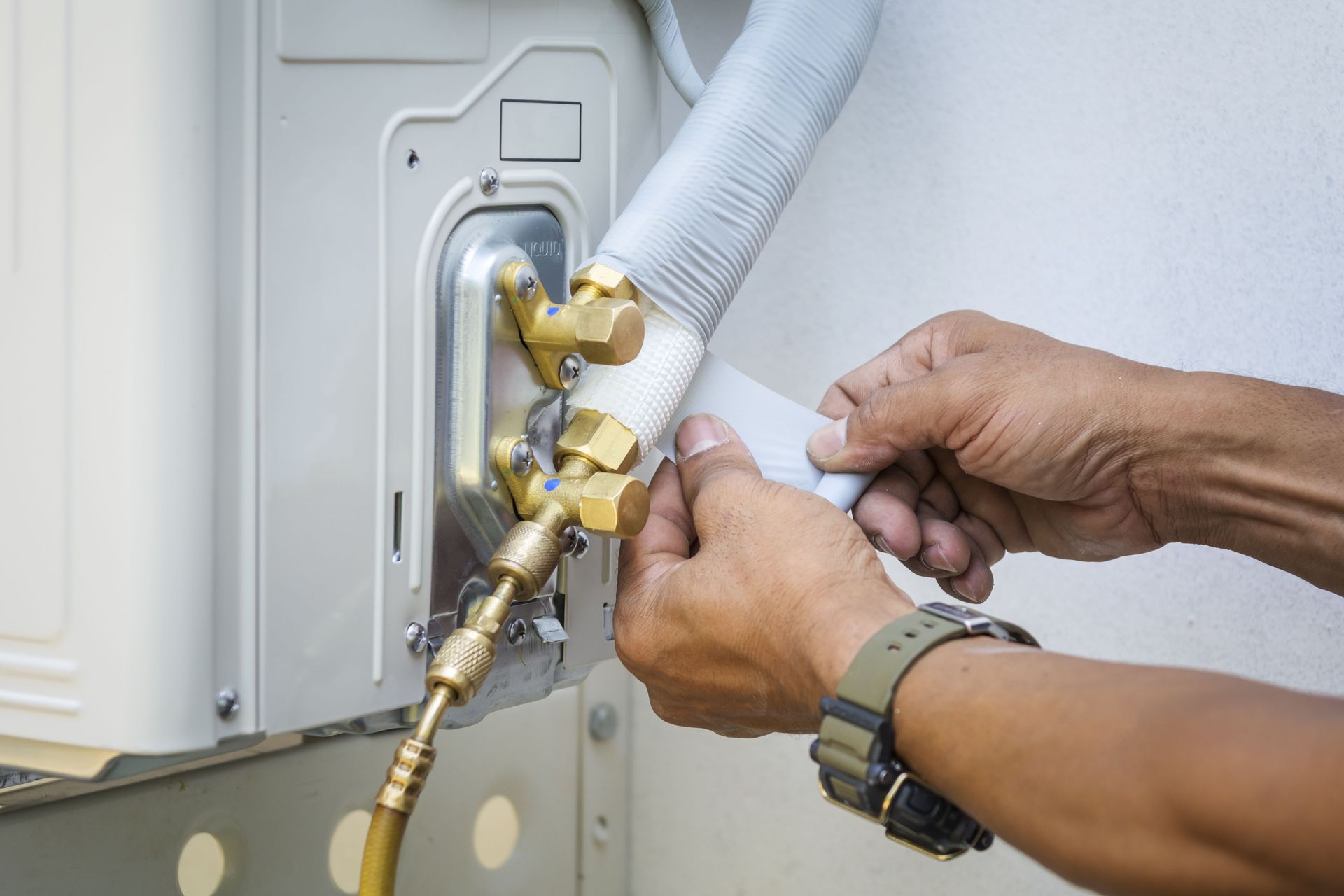
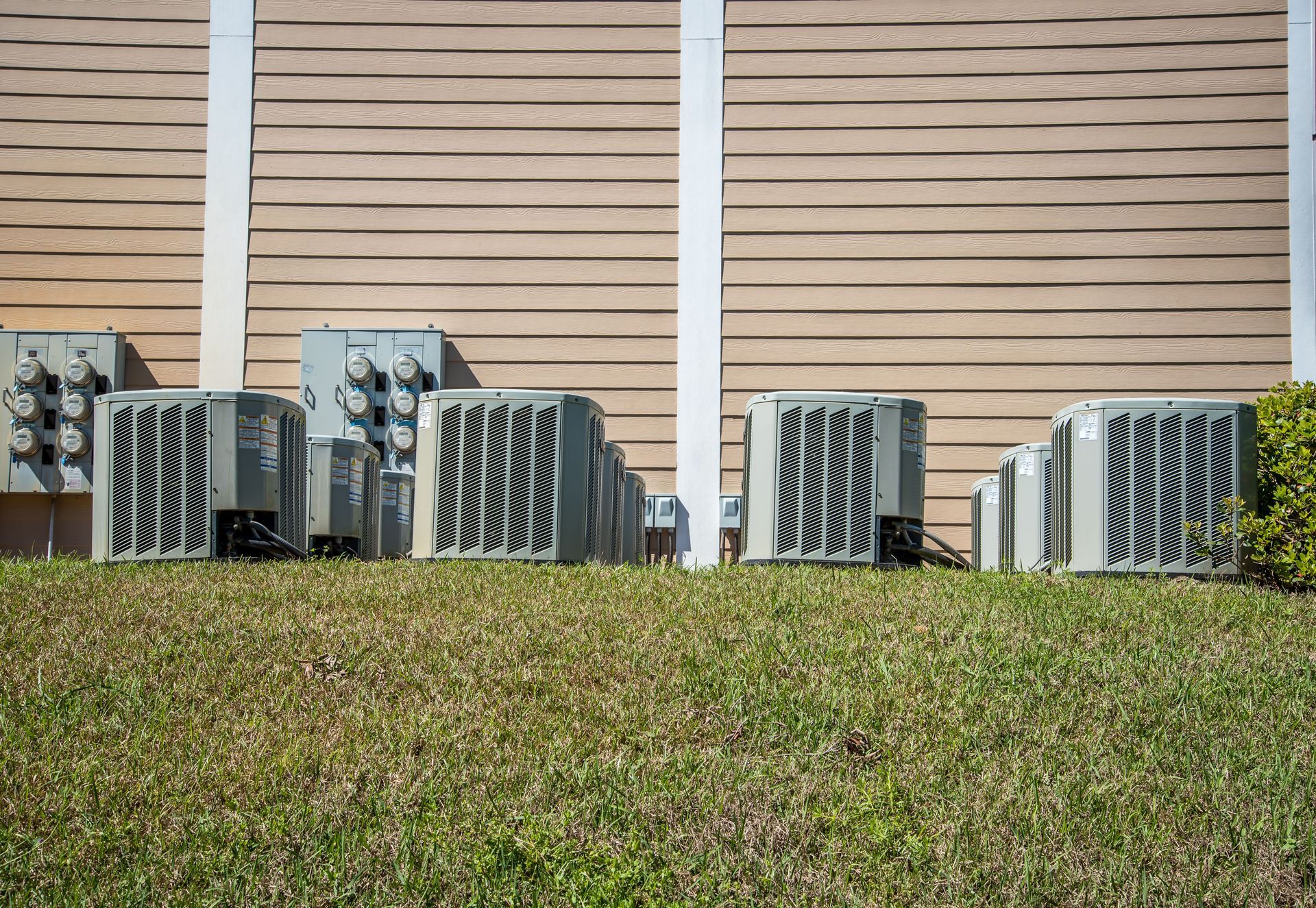
Selecting the right heating, ventilation, and air conditioning system is one of the most critical decisions a property owner or contractor can make. Whether you are installing a new system in a custom home build or upgrading an aging commercial setup, the quality of your equipment directly dictates your daily indoor comfort, energy efficiency, and long-term operating costs. While online clearinghouses and big-box retailers have made purchasing climate control hardware easier than ever, they rarely provide the technical precision or long-term accountability required for such complex machinery. Partnering directly with an established local HVAC supplier gives you access to commercial-grade equipment, specialized technical support, and reliable warranty backing that online retailers simply cannot match. Investing time into evaluating your distributor options pays substantial dividends over the lifespan of your mechanical systems. Building a direct relationship with a regional distributor transforms how contractors and homeowners approach heating and cooling projects. From navigating complex sizing calculations to securing hard-to-find replacement parts, local distributors serve as essential partners in modern property management. Below are the primary reasons why sourcing your equipment locally yields far better results for your home or business. Accessing Superior Product Quality and Manufacturer Relationships Local distributors maintain direct relationships with leading original equipment manufacturers, giving them exclusive access to premium product lines that are rarely sold directly to the public. Commercial-grade heat pumps, high-efficiency furnaces, and advanced air handlers distributed through these channels undergo strict quality control standards and engineering tests before reaching the warehouse floor. Unlike off-the-shelf consumer models found at retail chains, equipment sourced through an authorized HVAC supplier features heavier-gauge metal housings, higher-quality copper coils, and more durable electronic controls. Furthermore, regional distributors keep their inventory stored in climate-controlled environments, preventing premature corrosion or freight damage before installation even begins. Investing in high-grade units backed by strong factory relationships ensures that your system performs reliably through the most extreme summer heatwaves and winter freezes. Utilizing Specialized Technical Knowledge and Sizing Expertise Every building features unique architectural nuances, ductwork configurations, and thermal loads that dictate its exact heating and cooling requirements. Sizing a system improperly can result in frequent cycling, excessive humidity levels, uneven temperatures, and skyrocketing monthly utility bills. According to IBISWorld, 623,661 people are employed by U.S. HVAC companies, highlighting a robust network of skilled technicians and industry experts. Local counter staff and technical representatives at a regional HVAC supplier bring years of field experience and specialized training to every project consultation. They can review your floor plans, analyze Manual J heat load calculations, and recommend precise component combinations tailored to your specific building footprint. Relying on this localized technical expertise eliminates expensive guesswork and ensures your new equipment operates at its peak seasonal energy efficiency ratio. Expediting System Deliveries and Eliminating Shipping Delays When a heating or cooling system fails unexpectedly in the dead of winter or during midsummer, fast equipment turnaround times become essential to maintaining property safety and indoor comfort. Sourcing components from distant e-commerce warehouses often leads to frustrating shipping delays, transit damage, or missing installation hardware that can stall your project for weeks. A regional HVAC supplier carries vast inventories of fully assembled units, common replacement parts, and installation supplies directly in your immediate area. Contractors can arrange same-day job site deliveries or quick counter pickups, allowing emergency repair jobs to wrap up in hours rather than days. Eliminating lengthy freight transit minimizes downtime, keeps labor costs under control, and restores safe indoor temperatures as quickly as possible. Securing Comprehensive Warranty Protection and Local Claims Support Equipment warranties are only as reliable as the distributor and manufacturer backing them when a component unexpectedly fails. Purchasing climate control systems through unofficial online vendors frequently voids manufacturer warranties, leaving property owners fully responsible for expensive repair bills down the road. An authorized HVAC supplier handles factory warranty claims directly, streamlining the replacement process for defective compressors, control boards, or heat exchangers without requiring you to navigate endless corporate call centers. Because local distributors maintain close ties with manufacturer representatives, they can approve warranty claims quickly and hand you replacement parts right over the counter. This seamless warranty support gives property owners lasting peace of mind and keeps long-term maintenance expenses completely predictable. Navigating Regional Climate Demands and Local Energy Codes Building regulations and climate conditions vary drastically from one geographic region to another, making localized product knowledge invaluable during equipment selection. Coastal environments require specialized anti-corrosive coil coatings to withstand salty air, whereas mountain regions demand high-altitude furnace modifications and specialized combustion venting. Furthermore, state and municipal energy codes continuously update minimum efficiency standards, rebate eligibility requirements, and refrigerant transition mandates. A knowledgeable local HVAC supplier stays ahead of these evolving regulatory changes, ensuring every unit sold meets regional building codes and qualifies for available utility rebates. Sourcing equipment locally guarantees that your new system is perfectly engineered to handle your specific regional climate while complying fully with local building laws. Enhancing System Maintenance With Compatible Specialized Parts Maintaining peak operational performance over a system's fifteen-to-twenty-year lifespan requires ready access to exact, manufacturer-approved replacement components. Generic, multi-fit parts purchased online may seem like a budget-friendly fix, but they often fail to meet factory tolerances and can lead to premature system failure or reduced efficiency. A local HVAC supplier carries genuine OEM motors, valves, sensors, and filtration media specifically engineered to match your equipment. Access to dedicated local inventory ensures that routine seasonal tune-ups and minor repairs restore your system to its original factory specifications without compromise. Benefiting from Personalized Customer Service and Professional Relationships Long-term business relationships yield distinct advantages that automated online order systems simply cannot replicate. Regional distributors take genuine pride in supporting their local communities, offering personalized customer service, flexible credit terms, and dedicated account management to regional contractors and property managers. Working regularly with a trusted HVAC supplier allows you to build a dedicated point of contact who understands your recurring equipment preferences and operational budget constraints. When industry-wide supply chain shortages occur, or custom equipment orders are required, established local customers receive priority inventory allocation and hands-on logistical support. This personalized level of service ensures that your ongoing maintenance needs are always treated as a top priority. Supporting the Local Economy and Community Infrastructure Choosing to purchase major home systems through regional distributors keeps your hard-earned dollars circulating within your immediate community. Local distributors employ warehouse personnel, delivery drivers, counter specialists, and administrative staff who live and work in your area, strengthening the regional economic foundation. Furthermore, these companies actively invest in local training facilities, offering continuing education classes that help regional technicians master cutting-edge heat pump technologies and smart home integrations. Sourcing your equipment through a regional HVAC supplier directly supports local job growth, fosters professional trade skills, and helps maintain a robust network of qualified service technicians across your city. Investing in top-quality heating and cooling equipment requires far more than simply finding the lowest price tag on an online catalog. Working directly with a regional distributor grants you access to superior manufacturing quality, invaluable technical guidance, rapid delivery schedules, and dependable long-term warranty support. By prioritizing localized expertise and established industry relationships, you ensure that your indoor climate control system delivers optimal energy efficiency, consistent comfort, and reliable performance for decades to come. Contact Americo HVAC Supply LLC today to partner with a trusted distributor and secure top-quality equipment for your next heating and cooling project.
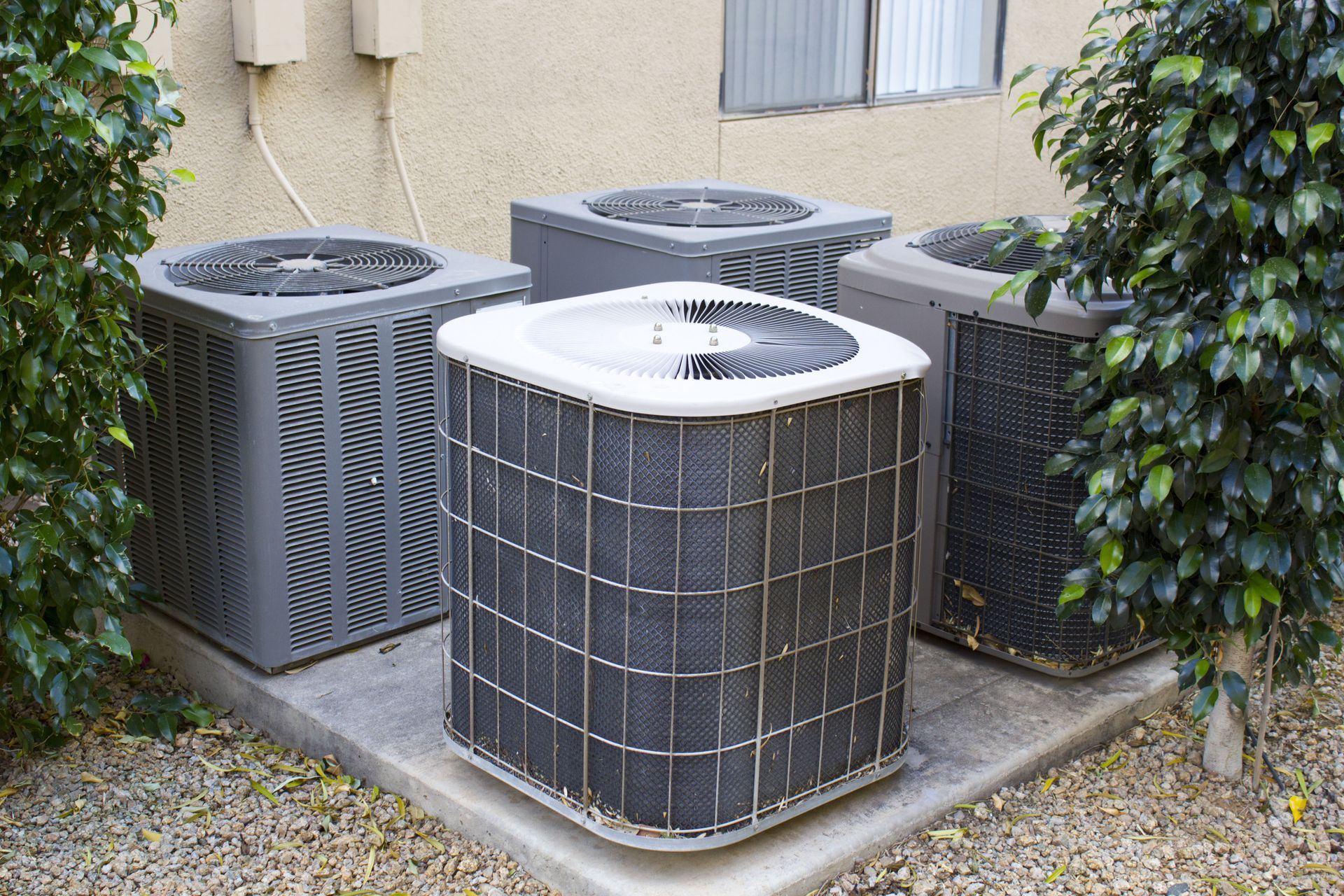
When contractors and facility managers prioritize commercial HVAC supplies, they are actively investing in the long-term success and stability of the business.