October 25, 2026
Air conditioning systems are an integral part of modern comfort, yet there are numerous misconceptions surrounding their use and functionality. Let's take a moment to dispel common myths and provide clearer understanding. By addressing these misconceptions, you can make more informed decisions, enhancing efficiency, comfort, and savings with an HVAC supplier.
1. Air Conditioning is Just for Cooling
Understanding Dual Functionality: Heating and Cooling
Many people believe air conditioning systems only provide cooling. In reality, many modern air conditioners can also provide heating through a heat pump function. This dual functionality makes air conditioners a year-round climate solution, particularly in areas with moderate climates. This capability allows a single system to manage climate control throughout different seasons efficiently. By understanding this, consumers could avoid buying additional heating systems from an HVAC supplier, ultimately saving on installation and operational costs.
Climate Control: More Than Just Temperature
Climate control via air conditioning goes beyond merely adjusting the temperature. These systems maintain desired temperature levels while also regulating humidity and ventilation. By managing humidity, air conditioners contribute significantly to comfort, as excessive humidity can lead to a humid, muggy feeling even at lower temperatures. Additionally, by facilitating air movement, they ensure that fresh air circulates through the home, improving overall indoor air quality. Understanding this broader scope can lead homeowners to appreciate air conditioners not just as cooling devices but as comprehensive climate control systems.
The Role of Humidity in Comfort
Humidity plays a critical role in how temperature is perceived in indoor environments. Higher humidity levels can make the air feel warmer than it actually is, while lower humidity does the opposite. Air conditioners help manage humidity by removing excess moisture from the air, providing a more comfortable living environment. This is especially crucial in hot, humid climates where even cool temperatures can feel uncomfortable if humidity isn't controlled. By effectively managing humidity, air conditioners allow for comfort while requiring less drastic temperature adjustments, which can be more energy-efficient.
Energy Efficiency in Both Modes
Energy efficiency is often associated with cooling, but it applies to both heating and cooling modes in air conditioners. Manufacturers continuously improve technologies to enhance energy efficiency, such as the use of programmable thermostats and advanced sensors. These technologies allow systems to adapt performance based on actual room conditions, providing comfort without excessive energy use. This focus on efficiency can result in significant cost savings for homeowners, also contributing to less environmental impact. Recognizing air conditioning efficiency in both modes encourages users to leverage their system's full potential year-round.
Advanced Features: Ventilation and Air Quality
Modern air conditioning systems are equipped with advanced features aimed at improving indoor air quality alongside temperature management. Features like air filtration remove allergens, dust, and pollutants, making the air cleaner and safer to breathe. Proper ventilation is also integrated to prevent the buildup of stale air and maintain a constant supply of fresh air. By utilizing these features, homeowners can significantly improve their indoor air environment, promoting better health and comfort. Emphasizing these functionalities helps users see air conditioners as comprehensive indoor air quality solutions, not just cooling devices.
2. Higher Settings Cool Rooms Faster
How Air Conditioners Regulate Temperature
One common misconception is that setting the thermostat higher will cool a room faster. Air conditioners regulate temperature by removing heat from the indoor air and not by changing how fast they blow cool air. Thus, a higher setting will not speed up cooling but only result in the system running longer than necessary once the desired temperature is reached. This misunderstanding leads to inefficiencies and increased energy bills. Educating users on this principle can prevent unnecessary energy consumption and wear on the system.
The Impact of Misjudging Thermostat Settings
Misjudging thermostat settings can have significant implications on comfort and energy use. Setting the thermostat too high or too low requires the air conditioner to work harder, which can lead to overuse and higher energy costs. In addition, frequent adjustments can cause the system to cycle on and off too frequently, resulting in wear and potential system failures. Understanding the optimal use of thermostats prevents these issues, leading to better performance and lower maintenance costs. Homeowners can use programmable thermostats to maintain consistent temperatures, improving efficiency significantly.
Optimal Cooling: Balancing Speed and Efficiency
Achieving optimal cooling requires balancing quick temperature reduction with energy efficiency. Rapid cooling can be tempting, but maintaining a steady, moderate temperature might be more energy-efficient and comfortable over time. Educating homeowners on the consequences of frequent and rapid temperature changes can lead to more efficient operation. This balance reduces energy bills while increasing system lifespan, representing both immediate and long-term savings. An understanding of this concept encourages smarter, more conscious air conditioner use.
3. Maintenance is Optional
The Importance of Regular Inspection
Regular inspection of air conditioning systems is crucial for ensuring optimal performance and longevity. Scheduled maintenance allows for early detection of potential issues, preventing costly repairs down the line. Regular check-ups include assessing refrigerant levels, inspecting ductwork, and verifying thermostat calibration. According to Service Titan, nearly 90% of U.S. homes use air conditioning, highlighting the widespread impact of regular maintenance on overall system reliability and efficiency. Understanding the importance of regular inspections ensures homeowners take proactive measures to maintain their systems.
Identifying Common Maintenance Procedures
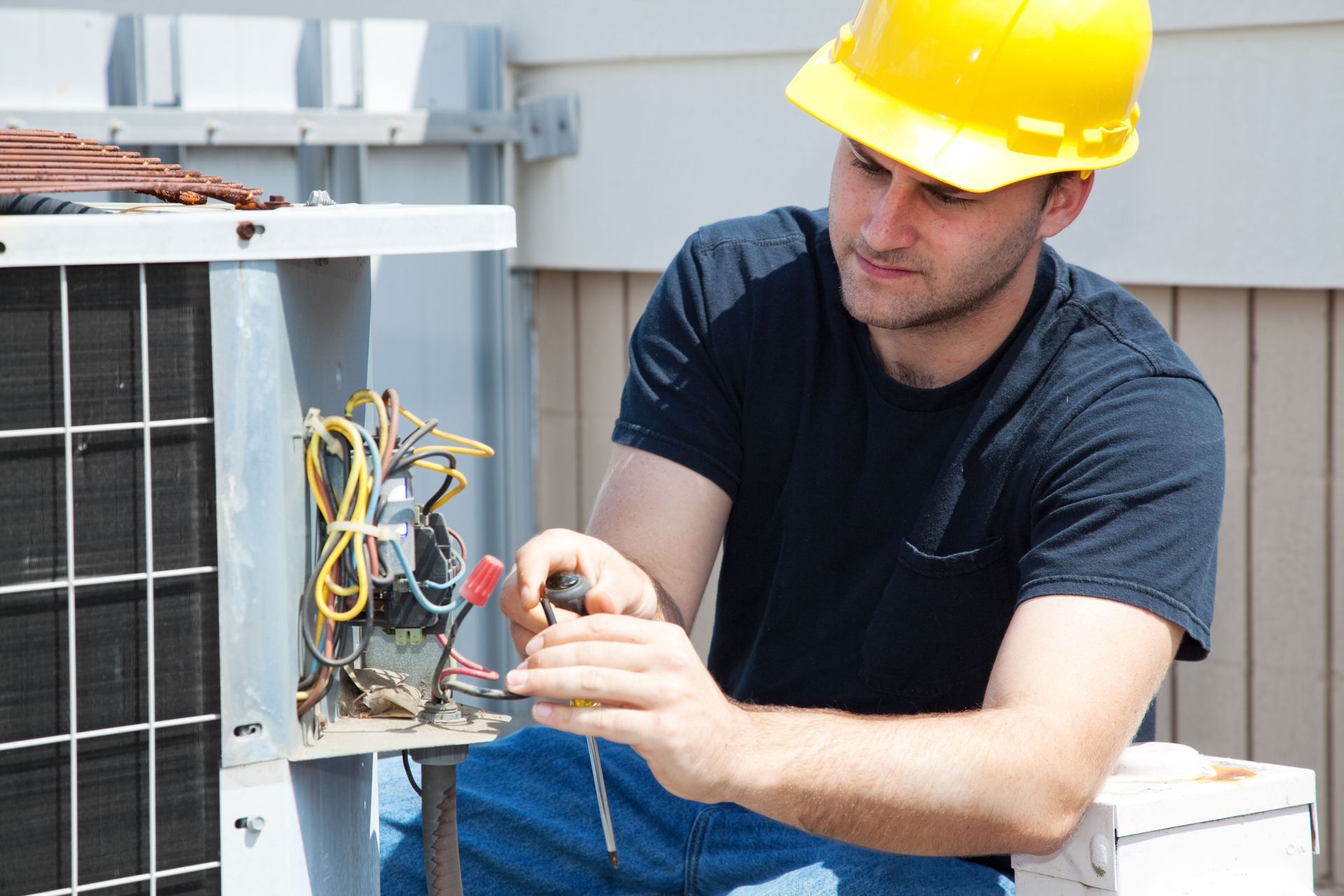
Common maintenance procedures for air conditioners include cleaning or replacing filters, inspecting electrical components, and ensuring coils are free of debris. These tasks help maintain efficient performance, improving air quality and reducing strain on the system. Routine inspection of ducts for leaks or blockages also ensures optimal airflow and temperature regulation. Incorporating these procedures into a regular maintenance schedule enhances both the lifespan and efficiency of air conditioning units. Detailed knowledge of maintenance tasks empowers homeowners to take appropriate action for maintaining system health.
Long-Term Cost Benefits of Scheduled Maintenance
Scheduled maintenance offers significant long-term cost benefits by enhancing system efficiency and preventing major repairs. Well-maintained systems consume less energy, leading to lower utility bills and environmental impact. Additionally, they are less prone to unexpected breakdowns, avoiding costly emergency repairs. By extending the system's lifespan, homeowners can delay the need for costly replacements. Recognizing these financial benefits encourages a commitment to regular maintenance, promoting cost-effective and sustainable air conditioning use.
4. Bigger Units Perform Better
Right-Sizing: The Key to Efficiency
More isn't always better when it comes to air conditioning units. Bigger units aren't necessarily more effective; they can actually lead to inefficiencies. Right-sizing, selecting a unit with proper capacity for the space, is crucial for optimal performance and energy efficiency. An oversized unit will cycle on and off more frequently, struggling to maintain consistent temperatures, which is inefficient and increases wear and tear. Properly sized units facilitate consistent temperatures and efficient energy use, providing better comfort and long-term savings.
Consequences of Oversized Units
Oversized air conditioners often result in uneven cooling, creating uncomfortable hot and cold spots within a home. They tend to short cycle, cooling the space too quickly without adequately dehumidifying, leading to a clammy indoor environment. These frequent cycles increase operational costs and can significantly shorten the system's lifespan. The excessive cycling can also strain the compressor, potentially leading to premature failure and costly repairs. Homeowners can avoid these pitfalls by investing in properly sized systems that align with their specific needs.
Cost Implications of Bigger Systems
Choosing larger air conditioning systems typically involves higher upfront costs and ongoing operational expenses. These systems require more energy to operate, increasing utility bills disproportionately compared to their cooling impact. Moreover, frequent cycling due to oversized systems can escalate maintenance expenses due to more frequent repairs or parts replacement. Ensuring that an air conditioning unit is appropriately sized minimizes these extra costs, making the investment more financially viable. Educating users on size and capacity can guide them toward smarter purchasing decisions aligned with budget and efficiency.
Understanding and dispelling these common misconceptions can lead to more efficient use of air conditioning, result in cost savings, and improve overall comfort and health. An informed approach can help leverage technology to its fullest potential. To learn more, reach out to an
HVAC supplier like Americo HVAC Supply LLC.